Construction Tools To Improve Work Efficiency
Construction projects are becoming more demanding than ever. Tight deadlines, rising material costs, and increasing quality expectations mean that every decision on a job site can directly impact the success of a project. Whether you are managing a residential build or a large commercial development, understanding how the right tools contribute to efficiency can make a significant difference in both productivity and profitability.
In today's competitive construction environment, building construction equipment has become one of the most important investments for contractors and project managers. The right equipment not only accelerates project timelines but also improves precision, enhances safety, and helps teams maintain consistent performance throughout every phase of construction.
The Role Of Construction Tools In Modern Projects
Modern construction is no longer just about manpower. It is about combining skilled labor with innovative solutions that simplify complex tasks and eliminate unnecessary delays. As projects become larger and more sophisticated, the role of construction tools continues to expand, helping businesses achieve better results while staying competitive in a rapidly evolving industry.
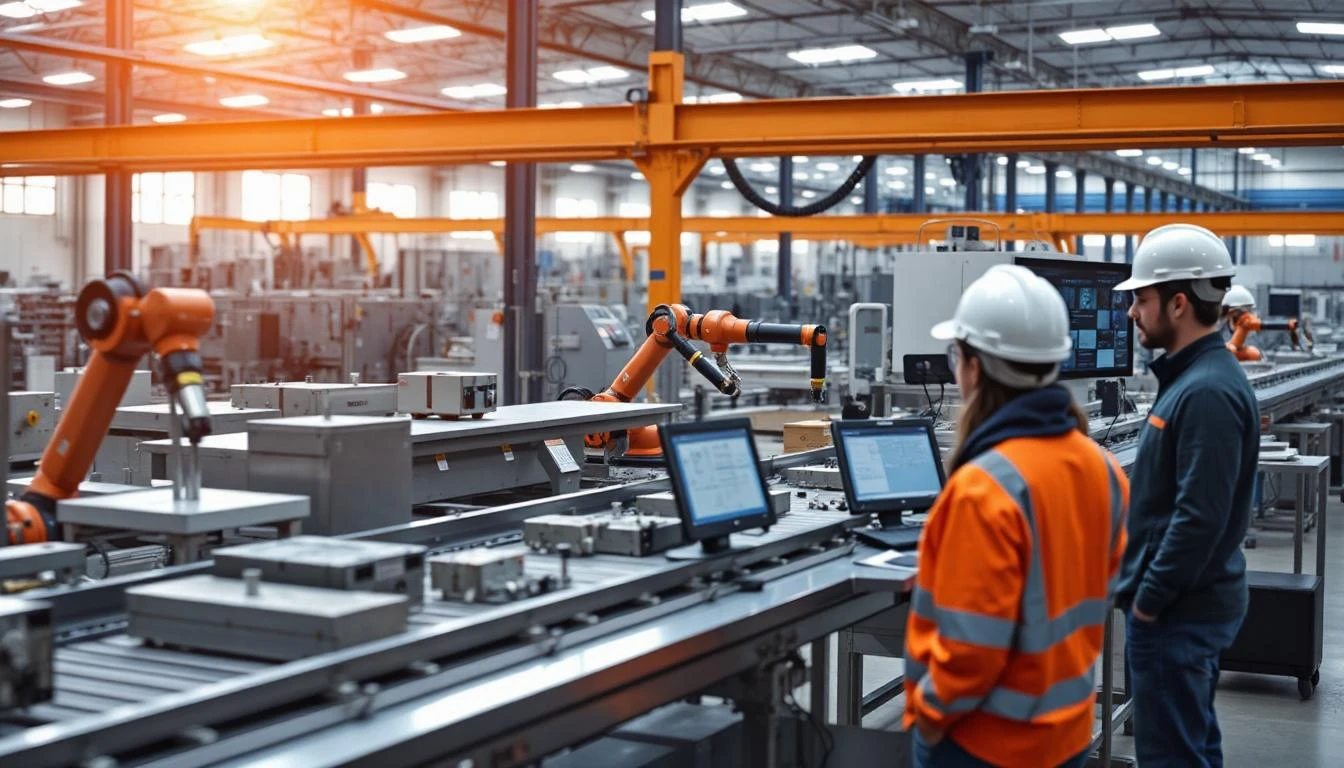
The use of heavy duty construction equipment has transformed the way contractors approach large-scale projects. From excavation and material transportation to structural installation, these powerful machines reduce labor-intensive tasks and allow teams to accomplish more in less time.
Supporting Faster Project Completion
Every construction project operates within a timeline, and delays can quickly increase costs. Modern construction tools help eliminate bottlenecks by streamlining repetitive tasks and improving workflow coordination across different project stages.
Excavators, concrete mixers, compact loaders, and automated cutting equipment enable crews to complete work faster while maintaining operational consistency. This efficiency allows project managers to allocate resources more effectively and keep schedules on track.
According to renowned management expert Peter Drucker, "Efficiency is doing things right; effectiveness is doing the right things." This perspective perfectly reflects the importance of selecting construction tools that not only work efficiently but also align with project objectives.
Improving Accuracy And Workmanship Quality
Precision is one of the foundations of successful construction. Even a small measurement error can result in material waste, structural issues, and expensive corrections.
Modern measuring technologies such as laser levels, digital layout systems, and electronic distance meters help construction professionals achieve highly accurate results. These tools improve alignment, positioning, and installation quality while reducing the likelihood of costly mistakes.
In addition, accurate workmanship strengthens client confidence and contributes to long-term project durability. Better precision ultimately leads to fewer callbacks, improved project reputation, and greater overall efficiency.
Enhancing Safety On Construction Sites
Safety remains one of the most critical concerns in construction. Advanced tools and equipment are increasingly designed with built-in safety features that help minimize workplace risks.
From automatic shut-off systems and ergonomic tool designs to remote-controlled machinery, modern innovations reduce worker exposure to hazardous conditions. Safer job sites often experience fewer disruptions, higher productivity, and stronger employee morale.
When workers feel protected, they can focus more effectively on completing tasks with confidence and consistency.
Essential Construction Tools For Daily Tasks
Every construction site relies on a variety of tools that support different operational needs. Understanding which tools deliver the greatest impact can help contractors maximize efficiency while maintaining quality standards throughout the project lifecycle.
Measuring And Layout Tools For Precision Work
Measuring and layout tools serve as the starting point for nearly every construction activity. Accurate measurements ensure that structures are built according to specifications and reduce the risk of expensive modifications later in the process.
Laser levels, tape measures, total stations, chalk lines, and digital measuring devices all contribute to better precision. These tools are especially valuable for contractors searching for the best solutions to improve construction accuracy and reduce rework.
Power Tools For Cutting Drilling And Fastening
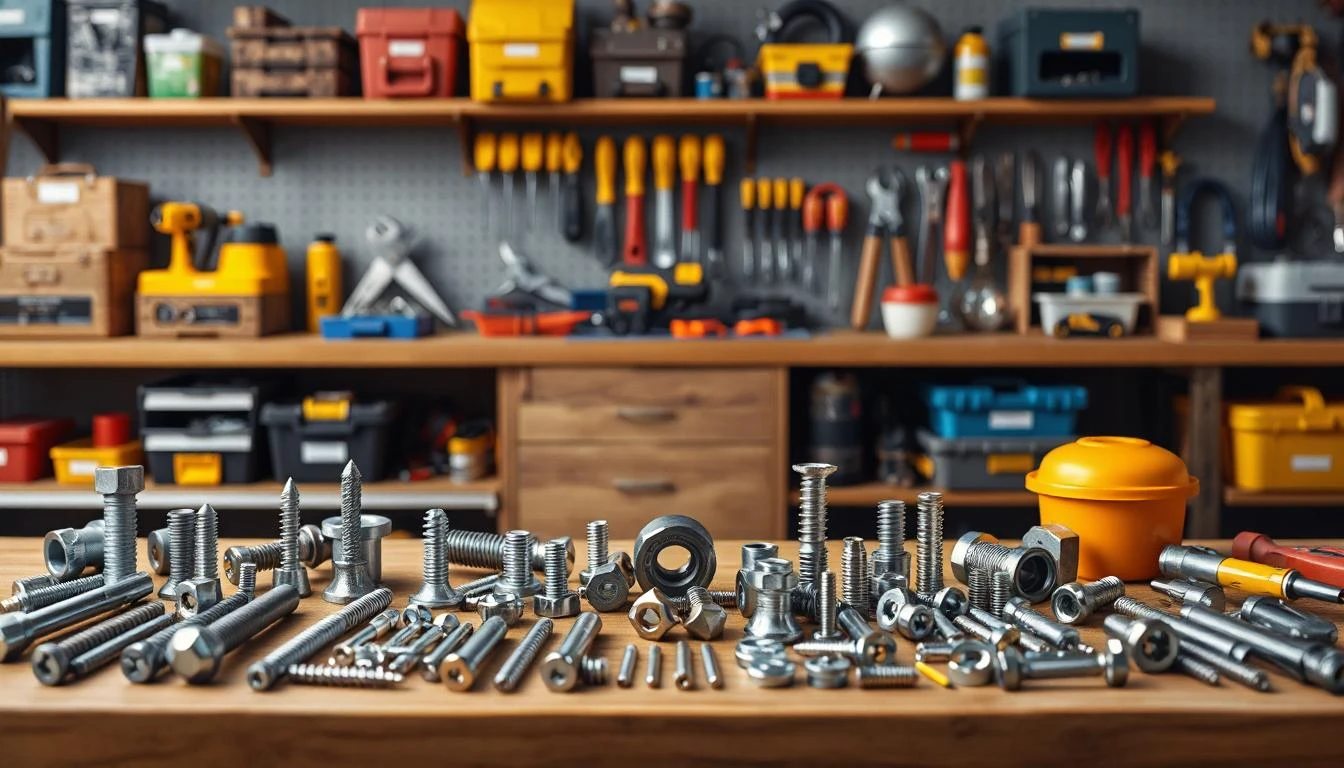
Power tools have become indispensable on modern job sites. Drills, impact drivers, circular saws, reciprocating saws, and rotary hammers significantly improve productivity by reducing manual effort and increasing work speed.
Cordless technology has further enhanced flexibility, allowing workers to move freely throughout a project without being restricted by power cords. As battery performance continues to improve, cordless tools are becoming a preferred choice for many construction professionals.
Material Handling And Site Management Equipment
Efficient material movement plays a major role in overall project performance. Equipment such as forklifts, hoists, cranes, pallet jacks, and conveyor systems help reduce physical strain while ensuring materials reach the right location at the right time.
Effective site management tools also improve organization, inventory tracking, and equipment monitoring. By reducing inefficiencies in material handling, contractors can maintain smoother workflows and prevent unnecessary delays.
Best Practices For Using Construction Tools
Having access to advanced equipment is only part of the equation. To achieve maximum value, construction teams must follow proven practices that support equipment longevity, worker competence, and project-specific decision-making.
Maintaining Tools For Long Term Reliability
Routine maintenance is one of the most effective ways to extend equipment lifespan and prevent unexpected downtime. Regular inspections help identify wear, damage, and performance issues before they escalate into costly failures.
Cleaning tools after use, replacing worn components, and following manufacturer maintenance schedules all contribute to better reliability. Well-maintained equipment performs more efficiently and reduces long-term operational expenses.
Training Workers On Proper Tool Usage
Even the most advanced equipment cannot deliver optimal results without proper training. Workers must understand how to operate tools safely, efficiently, and according to manufacturer guidelines.
Training programs improve productivity while reducing the risk of accidents and equipment misuse. Skilled operators are also better equipped to identify potential problems early, helping organizations avoid expensive disruptions.
Selecting Tools Based On Project Requirements
Every construction project presents unique challenges. The equipment needed for a residential renovation may differ significantly from that required for a commercial high-rise development.
Carefully evaluating project scope, site conditions, material requirements, and budget considerations helps contractors choose the most suitable tools. Strategic equipment selection often leads to higher productivity, better cost control, and stronger project outcomes.
Construction companies that prioritize tool selection based on project needs are generally more successful at maintaining efficiency while delivering consistent quality.
Improve Productivity With The Right Construction Tools
The construction industry continues to evolve, and companies that embrace modern equipment are often better positioned for long-term success. From improving accuracy and safety to accelerating project timelines, the right tools create measurable advantages that influence every stage of a project.
Management consultant W. Edwards Deming once stated that "Quality is everyone's responsibility." In construction, quality is closely connected to the tools used every day. Reliable equipment empowers teams to maintain higher standards while working more efficiently and safely.
As projects become increasingly competitive, investing in modern building construction equipment and dependable heavy duty construction equipment is no longer simply an option, it is a strategic decision that can shape project performance, profitability, and client satisfaction.
The most successful contractors understand that productivity is not about working harder; it is about working smarter. Choosing the right tools today can help create faster workflows, better workmanship, and stronger project outcomes tomorrow.
If you are looking to improve efficiency on your next project, now is the perfect time to evaluate whether your current construction tools are helping your team reach its full potential.