Manufacturing Solutions That Improve Efficiency
Manufacturing companies today operate in an increasingly competitive environment where speed, precision, and adaptability often determine long-term success. As customer expectations continue to rise and supply chains become more complex, businesses are challenged to deliver high-quality products while maintaining profitability. The manufacturers that thrive are often those that continuously improve their processes and embrace innovation to stay ahead of market demands.
In this rapidly evolving industrial landscape, industrial technology solutions have become a critical driver of efficiency and sustainable growth. From streamlining workflows to improving production visibility, these advanced technologies help manufacturers reduce operational bottlenecks, enhance decision-making, and create more resilient operations capable of competing in a global marketplace.
Why Efficiency Matters In Manufacturing
Efficiency is no longer just a performance metric. It has become a strategic advantage that directly impacts profitability, customer satisfaction, and business sustainability. Companies that invest in operational improvements often discover opportunities to reduce costs while increasing productivity and maintaining product quality at every stage of production.
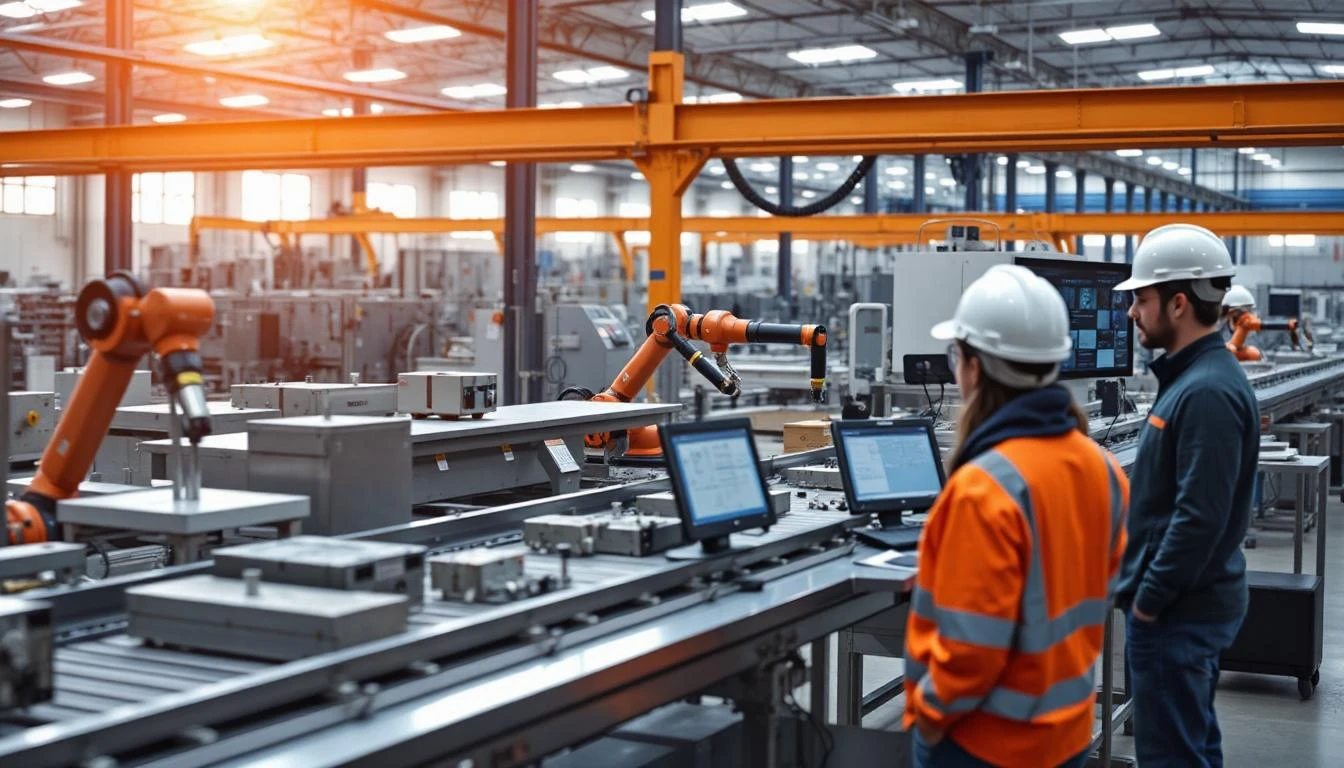
Modern manufacturers are increasingly adopting smart manufacturing systems to gain greater control over production activities, monitor performance in real time, and respond quickly to changing market conditions. These technologies provide the foundation for smarter decision-making and more agile operations.
Reducing Production Costs And Waste
One of the biggest challenges facing manufacturers is controlling operational expenses while minimizing material waste. Every inefficiency, whether caused by machine downtime, production errors, or excess inventory, can significantly impact profitability.
Advanced technologies such as predictive maintenance, industrial automation, production analytics, and digital manufacturing platforms help businesses identify hidden inefficiencies before they become costly problems. By reducing waste and improving resource utilization, manufacturers can achieve stronger financial performance without sacrificing production quality.
As management expert Peter Drucker famously stated, "Efficiency is doing things right; effectiveness is doing the right things." This principle remains highly relevant in modern manufacturing environments where every process improvement contributes to long-term success.
Increasing Output And Operational Performance
Higher production output does not necessarily require larger facilities or additional labor. In many cases, manufacturers can increase capacity simply by optimizing existing processes and eliminating unnecessary delays.
Automation systems, intelligent robotics, and connected production technologies allow businesses to accelerate production cycles while maintaining consistency. Real-time operational visibility helps managers identify bottlenecks quickly, enabling faster corrective actions and improved overall performance.
As global demand continues to evolve, manufacturers that maximize operational efficiency are often better positioned to respond to market opportunities and changing customer expectations.
Maintaining Product Quality Consistently
Product quality remains one of the most important factors influencing customer trust and brand reputation. Even minor defects can result in dissatisfied customers, costly returns, and long-term reputational damage.
Modern quality management systems provide continuous monitoring throughout the production process. Machine vision technologies, automated inspections, and data-driven quality controls help manufacturers detect issues early and maintain consistent standards across every production batch.
This combination of efficiency and quality creates a competitive advantage that is increasingly difficult for competitors to replicate.
Modern Manufacturing Solutions For Better Productivity
As manufacturing technologies continue to advance, organizations have access to powerful tools that improve productivity, visibility, and operational control. The question is no longer whether these solutions provide value, but how quickly businesses can leverage them effectively.
Companies that embrace digital transformation often discover improvements that extend far beyond production floors. Better data visibility, faster communication, and enhanced forecasting capabilities create a ripple effect across the entire organization.
Automation And Smart Factory Technologies
Automation has transformed the manufacturing sector by reducing repetitive manual tasks and improving production consistency. Smart factories integrate machinery, sensors, software, and analytics into a connected ecosystem capable of making intelligent operational decisions.
Industrial Internet of Things (IIoT) technologies, artificial intelligence, and robotic automation work together to optimize workflows while reducing human error. These innovations enable manufacturers to achieve higher productivity levels without proportionally increasing operational costs.
Many industry leaders now view automation not as a future investment but as a present-day necessity for maintaining competitiveness.
Digital Monitoring And Production Management Systems
Real-time monitoring technologies provide manufacturers with unprecedented operational transparency. Instead of relying on delayed reports, managers can access live production data and make informed decisions instantly.
Production management systems help track equipment performance, inventory movement, workforce productivity, and overall operational efficiency. This visibility allows organizations to identify trends, anticipate challenges, and continuously improve performance.
According to Klaus Schwab, Founder of the World Economic Forum, "The technologies of the Fourth Industrial Revolution are fundamentally changing the way we live, work, and relate to one another." Manufacturing is among the industries experiencing this transformation most significantly.
Workflow Optimization And Process Improvement Tools
Even highly advanced production facilities can experience inefficiencies caused by outdated procedures or fragmented workflows. Process optimization tools help businesses identify unnecessary steps, eliminate redundancies, and improve operational coordination.
Lean manufacturing methodologies, digital twins, process simulation software, and workflow analytics platforms provide valuable insights that support continuous improvement initiatives. Over time, these incremental enhancements can generate substantial productivity gains.
Organizations that prioritize process optimization often discover that small operational changes can deliver surprisingly significant results.
Challenges In Implementing Manufacturing Solutions
While the benefits of modern manufacturing technologies are substantial, successful implementation requires careful planning and execution. Understanding potential challenges allows businesses to prepare more effectively and maximize long-term returns on investment.
Technology alone does not guarantee success. The way organizations integrate, manage, and support these solutions often determines whether they achieve their intended outcomes.
Adapting Employees To New Technologies
Introducing new technologies often requires employees to learn unfamiliar systems and workflows. Without proper training and support, resistance to change can slow adoption and reduce effectiveness.
Organizations that invest in workforce development, ongoing education, and transparent communication are typically more successful when implementing digital transformation initiatives. Employees who understand the benefits of new technologies are more likely to embrace change and contribute positively to operational improvements.
Managing Investment And Operational Costs
Advanced manufacturing solutions often involve significant initial investments. Hardware upgrades, software implementation, employee training, and infrastructure improvements all require financial commitment.
However, businesses should evaluate these costs within the context of long-term gains. Reduced downtime, improved productivity, lower waste levels, and enhanced operational efficiency frequently generate returns that justify the investment over time.
Strategic planning and phased implementation approaches can help organizations manage costs while minimizing disruption.
Maintaining System Performance And Security
As manufacturing environments become increasingly connected, maintaining system reliability and cybersecurity becomes more important than ever. Operational disruptions caused by technical failures or cyber threats can have serious consequences.
Manufacturers must implement strong cybersecurity protocols, regularly update software systems, and continuously monitor network performance. A proactive approach helps protect valuable operational data while ensuring consistent system performance.
Achieve Better Results With Manufacturing Solutions
The manufacturing industry continues to evolve at an extraordinary pace, creating both opportunities and challenges for businesses worldwide. Organizations that embrace innovation, optimize workflows, and invest in advanced technologies are often better equipped to improve productivity, maintain quality, and strengthen their competitive position.
Ultimately, the true value of industrial technology solutions lies not only in reducing costs or increasing output but also in creating a more agile, intelligent, and future-ready manufacturing operation. As market demands continue to change, the manufacturers that adapt quickly will be the ones that lead the next era of industrial growth.
If you are looking to improve operational efficiency and long-term competitiveness, now is the perfect time to explore the right manufacturing solutions for your business.